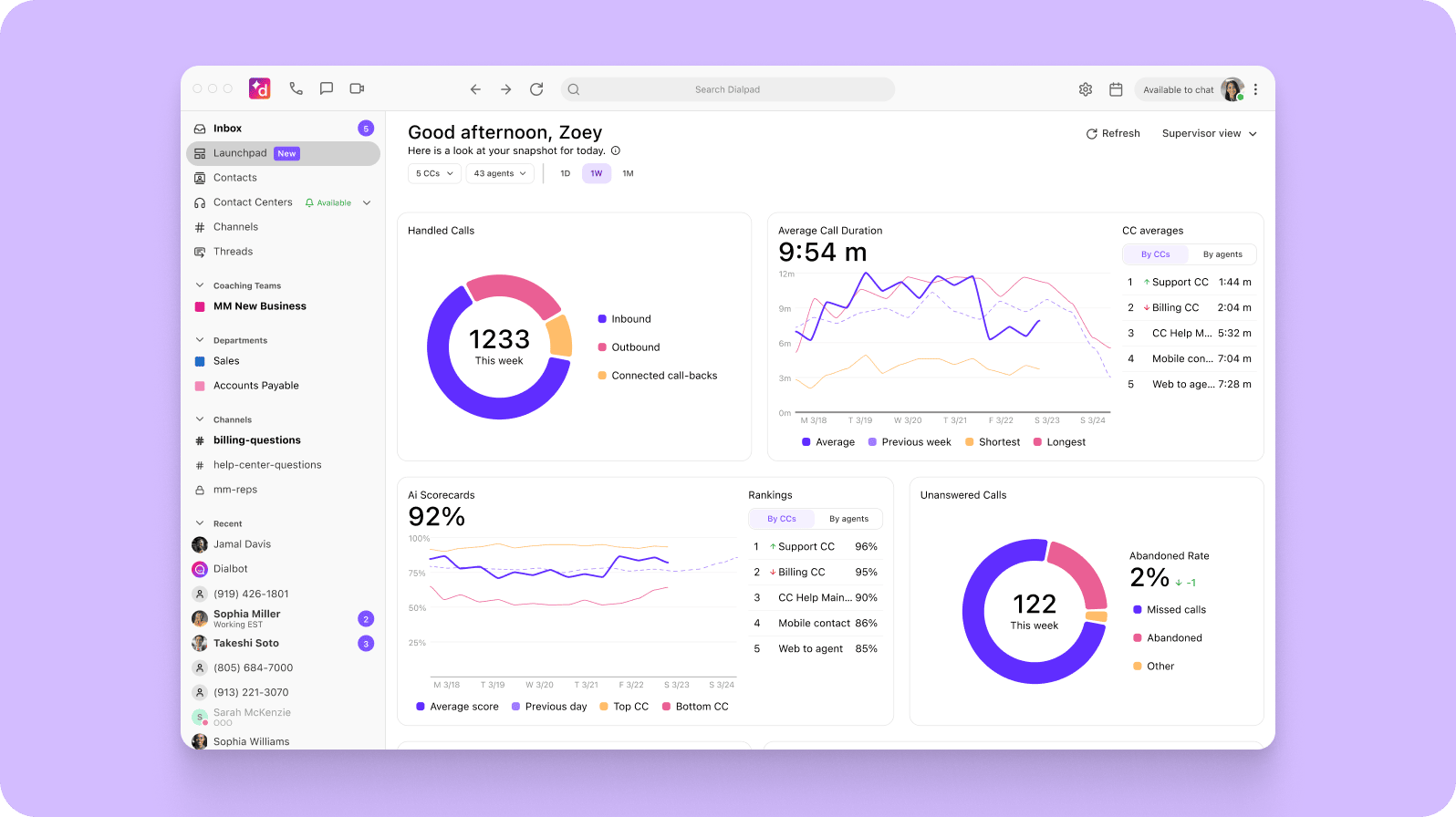
Most small businesses are sitting on a goldmine of customer insight.
They just don't realize it.
Every conversation your AI assistant has — whether through your website chat, Instagram DMs, SMS, or phone assistant — contains valuable signals about what your customers want, what frustrates them, and what drives them to buy.
The problem is that most businesses use AI assistants only for automation. They rarely use the conversation data itself as a decision-making tool. That is a missed opportunity.
Industry research consistently shows that conversation analytics transforms raw chats, calls, and messages into structured insight around customer intent, recurring issues, and buying behavior — giving small businesses the same intelligence advantage large companies pay enterprise tools to get.
Every conversation is customer research
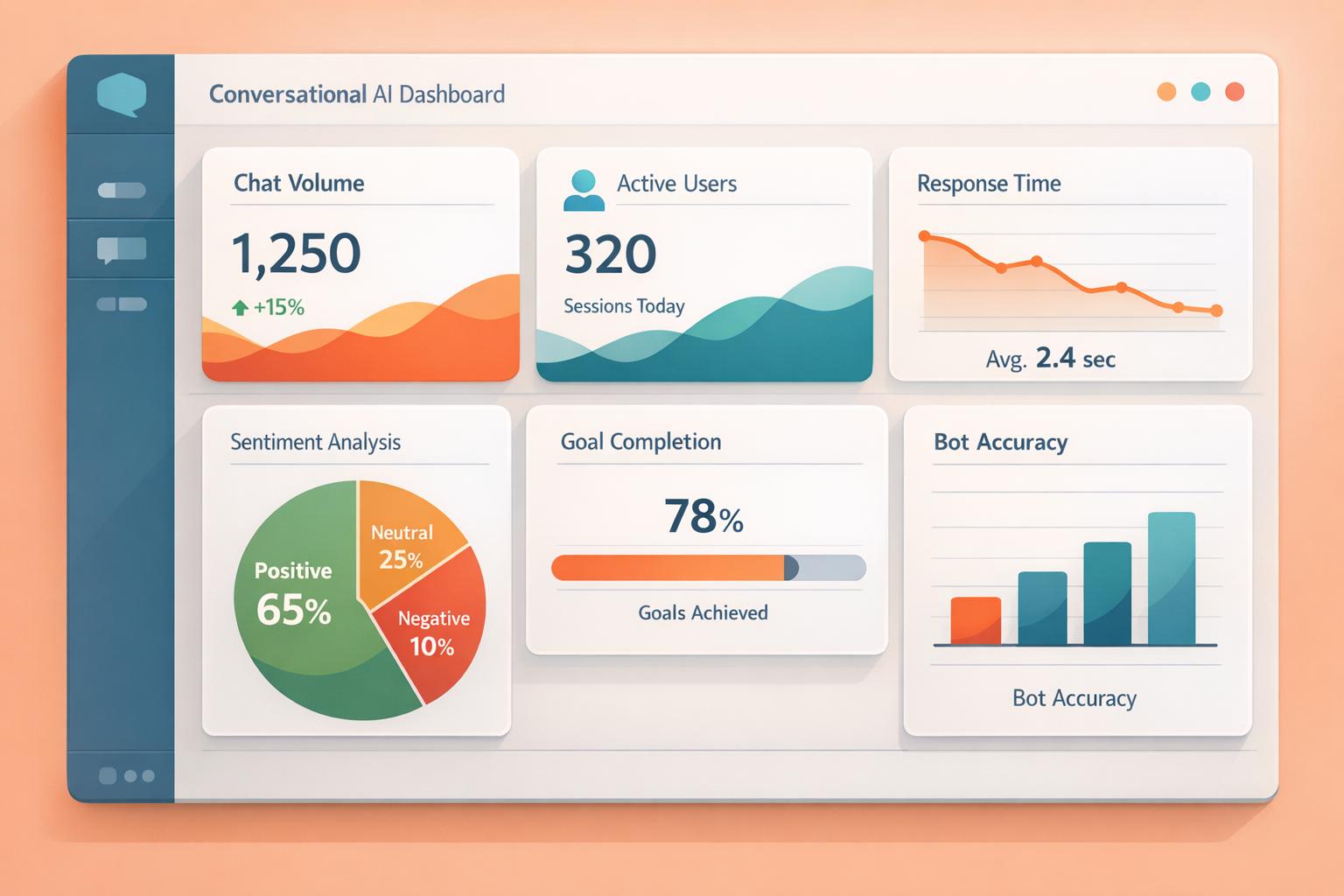
Think about what customers naturally ask your assistant. These are not just support questions — they are live market research:
Conversation analytics platforms specifically focus on extracting intent, recurring topics, objections, sentiment, and conversion patterns. That means your assistant transcripts can reveal exactly what is stopping customers from booking.
1 The most common objections
One of the most valuable insights hidden in conversations is objection data. If customers repeatedly ask the same friction questions, that is clear evidence of a barrier you can address proactively:
Conversation intelligence tools are widely used by sales teams to identify the most common objections and best responses. This can help you improve your website FAQs, landing page copy, sales scripts, and pricing transparency — turning common barriers into pre-answered questions before the customer even asks.
2 What customers care about most
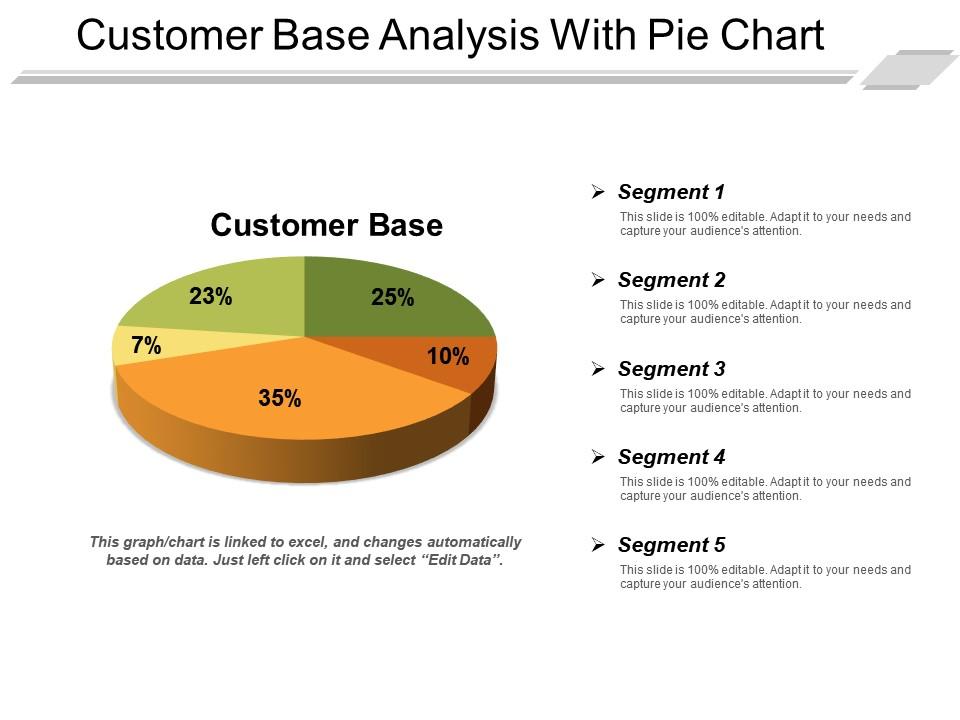
Your customers will tell you what matters. You just need to read the patterns. Modern conversation analytics systems are specifically designed to identify recurring themes and intent clusters — making this invaluable for marketing messaging.
3 Peak demand times
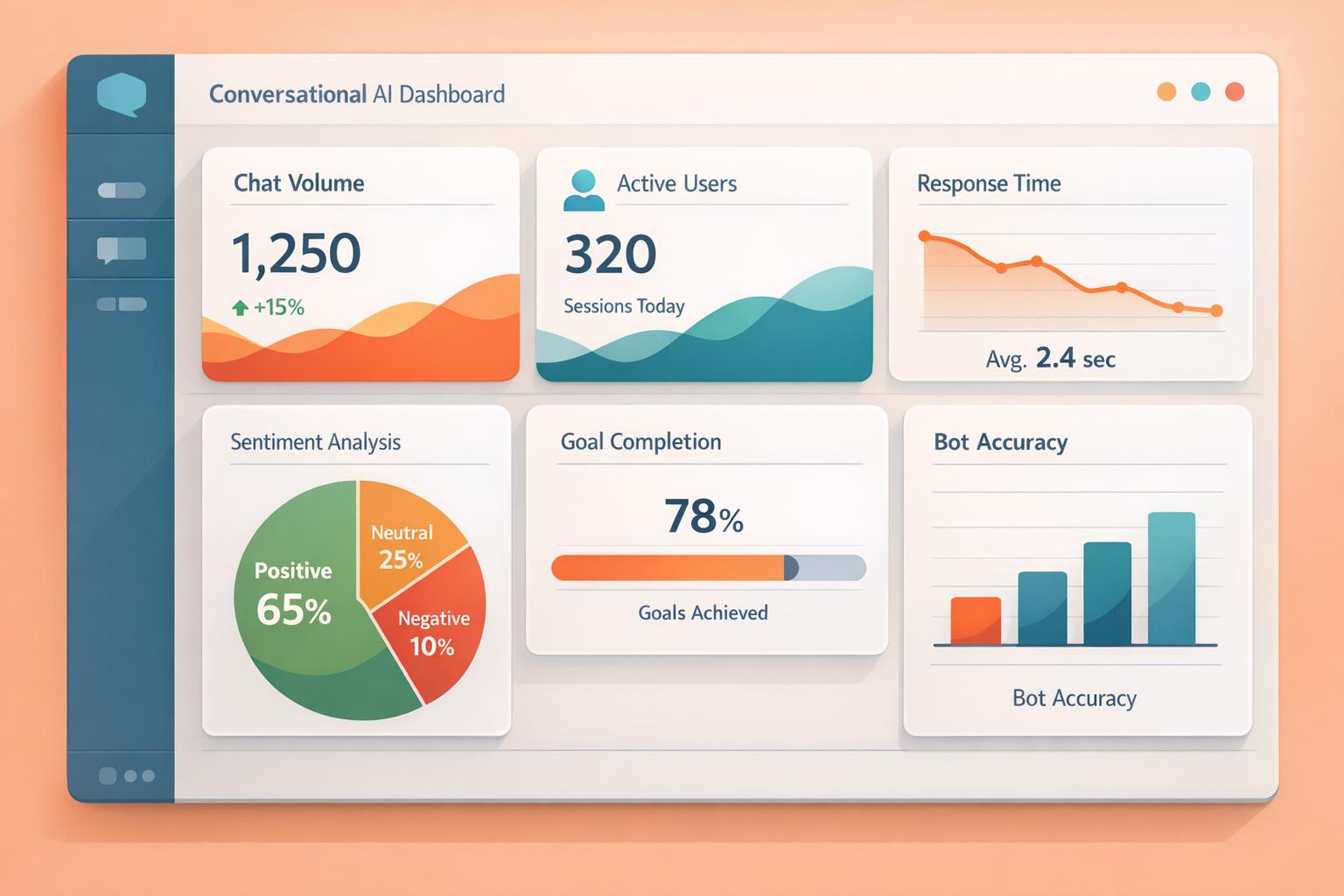
Conversation logs also reveal when customers are most active. Recent chatbot usage studies emphasize tracking peak activity times and inquiry surges. For many local businesses, evening demand is much higher than expected:
Knowing your peak hours helps you optimize staffing, ad scheduling, promotional timing, and AI escalation rules — putting your business in front of customers exactly when they're most ready to act.
4 Which services generate the most interest
Your assistant conversations function as a live demand map — showing you exactly which services customers are actively asking about versus what you assume they want:
Customer interaction analytics is increasingly used to identify consumer trends before purchase behavior becomes obvious in revenue reports — giving you a head start on where to focus your marketing spend.
5 Where customers drop off
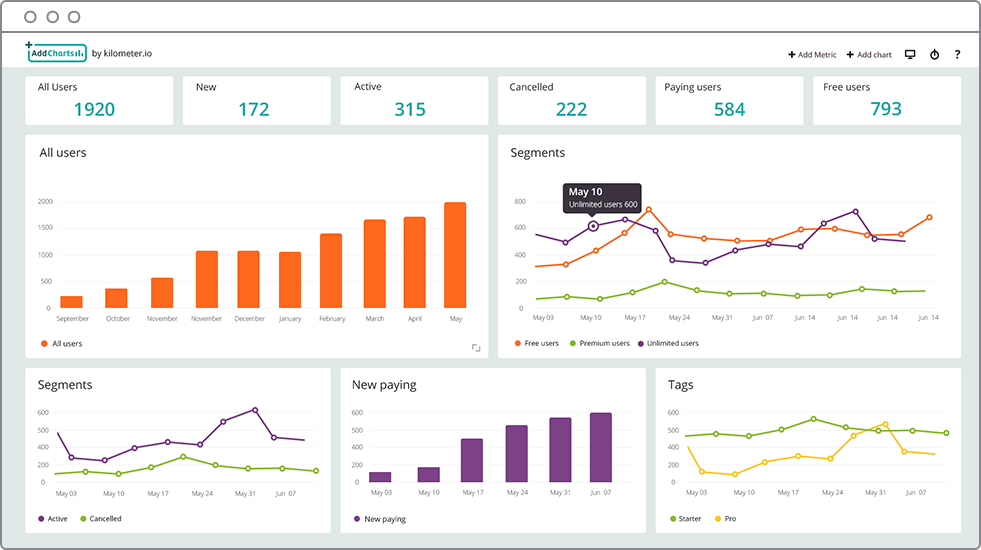
This is one of the most underused insights. Industry analytics tools specifically measure conversation completion and abandonment rates — and where the conversation stops is often more valuable than what was said.
If many users leave after the pricing step, that is a clear signal to revisit offer positioning, add a value statement, or introduce a financing option at that point in the conversation.
How to actually use this data
Here's the simplest framework. Review these five categories every week and take one action based on what you find:
The bottom line
Your AI assistant is not just a support tool. It is a live customer insight engine.
Every conversation tells you what customers want, what they fear, what stops them, and what makes them convert. For small businesses, this may be the most underutilized source of intelligence available — and unlike surveys, it is based on real customer behavior in real time.
Sources
- OvalEdge — Conversation analytics platforms and customer intent extraction from chat data
- Capacity — AI assistant conversation data as a business intelligence tool for SMBs
- LivePerson — Conversational AI analytics; recurring themes, intent clusters, and sentiment analysis
- InsiderOne — Drop-off analysis and conversation abandonment rate measurement
- InMoment — Customer experience analytics and objection data from conversation transcripts
- Nextiva — Peak demand time tracking and chatbot usage patterns for local businesses
- TechRadar — Conversation intelligence tools for sales objection identification and rebuttal optimization
- Feelingstream — Customer interaction analytics for identifying consumer demand trends before they appear in revenue data
- Insight — How conversation analytics creates measurable business impact for small and mid-size businesses
Get an assistant that captures insights — not just leads
Double O Digital builds AI assistants that handle customer conversations 24/7 — and we include a monthly analytics report so you always know what your customers are telling you.